Introduction
It is not always obvious when it is time to bring in medical equipment. Changes tend to happen gradually: a little more caution on the stairs, a little more effort catching your breath, a little more reluctance to get in the shower alone. By the time it becomes obvious, a fall or health scare has often already happened.
This checklist covers common early signs across the areas where home medical equipment tends to help most: mobility, breathing, bathroom safety, and recovery from injury or surgery. If several of these sound familiar, it may be worth a conversation with a healthcare provider.
Mobility: Is Getting Around the House Getting Harder?
Watch for:
- Holding onto furniture or walls while walking, even for short distances
- Avoiding stairs, or taking noticeably longer to use them
- A recent fall, or a near-fall that felt closer than usual
- Reluctance to walk outside the house alone
- Noticeable fatigue after walking distances that used to be easy
Any of these can point toward a cane, walker, rollator, or in some cases a wheelchair. Our guide on choosing between a cane, walker, and rollator breaks down how to tell which one fits a specific situation.
Breathing: Is Getting Winded Happening More Often?
Watch for:
- Shortness of breath during activities that did not used to cause it, like walking to the mailbox or climbing a few stairs
- Needing to sit down to catch your breath more often than before
- Waking up gasping or feeling unrested despite a full night’s sleep
- A persistent cough or wheeze that has not improved
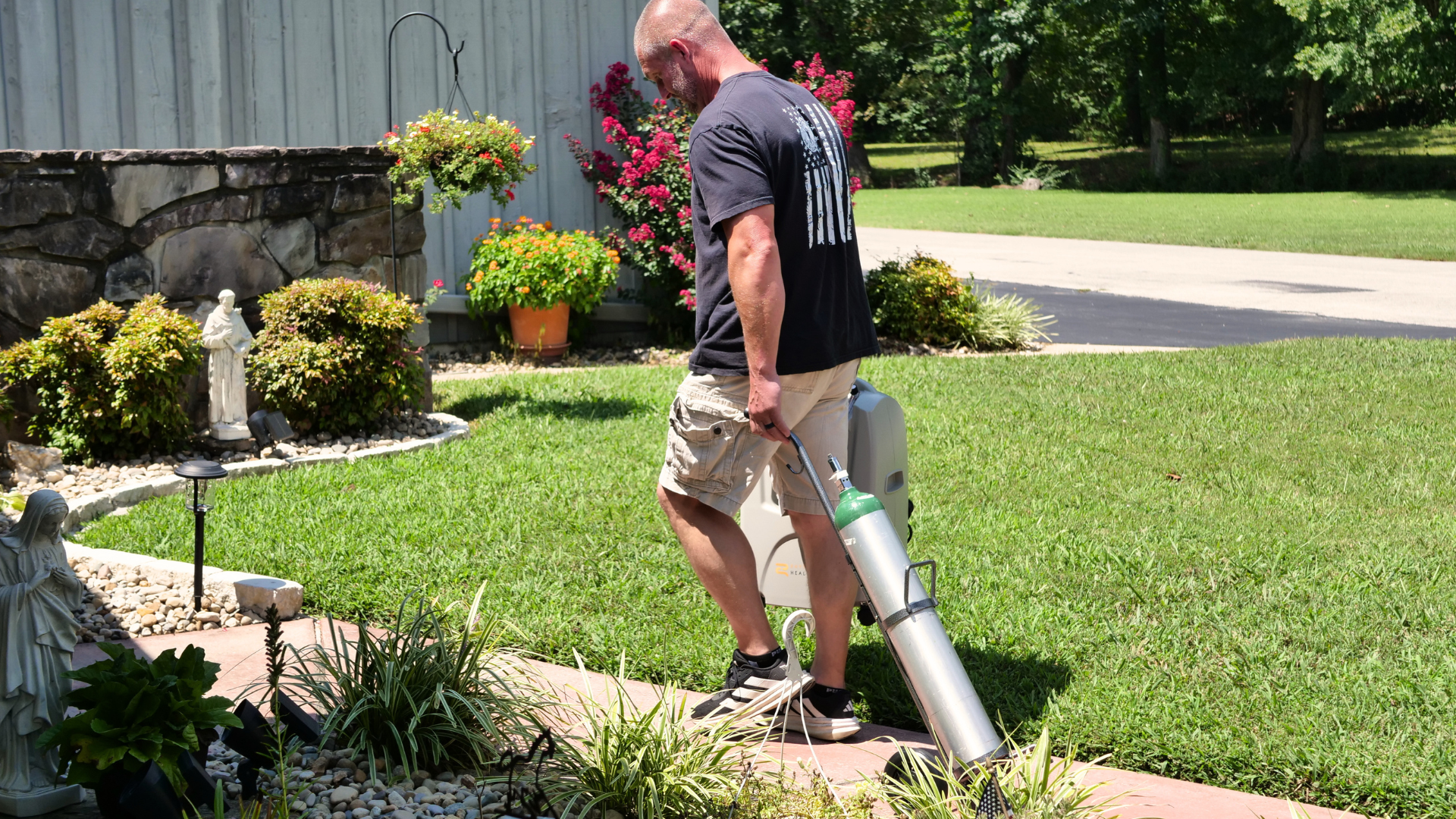
These signs are worth mentioning to a doctor regardless of equipment, since they can point to several different underlying conditions. If a diagnosis like COPD or sleep apnea has already been discussed, our overview of CPAP and oxygen equipment explains what respiratory equipment typically involves.
Bathroom Safety: Is the Bathroom Becoming a Concern?
Watch for:
- Avoiding showers or baths, or taking noticeably longer to get in and out
- Holding onto towel bars, sink edges, or anything nearby for support, none of which are built to bear weight
- Difficulty standing up from the toilet without help
- A fall or near-fall in the bathroom specifically
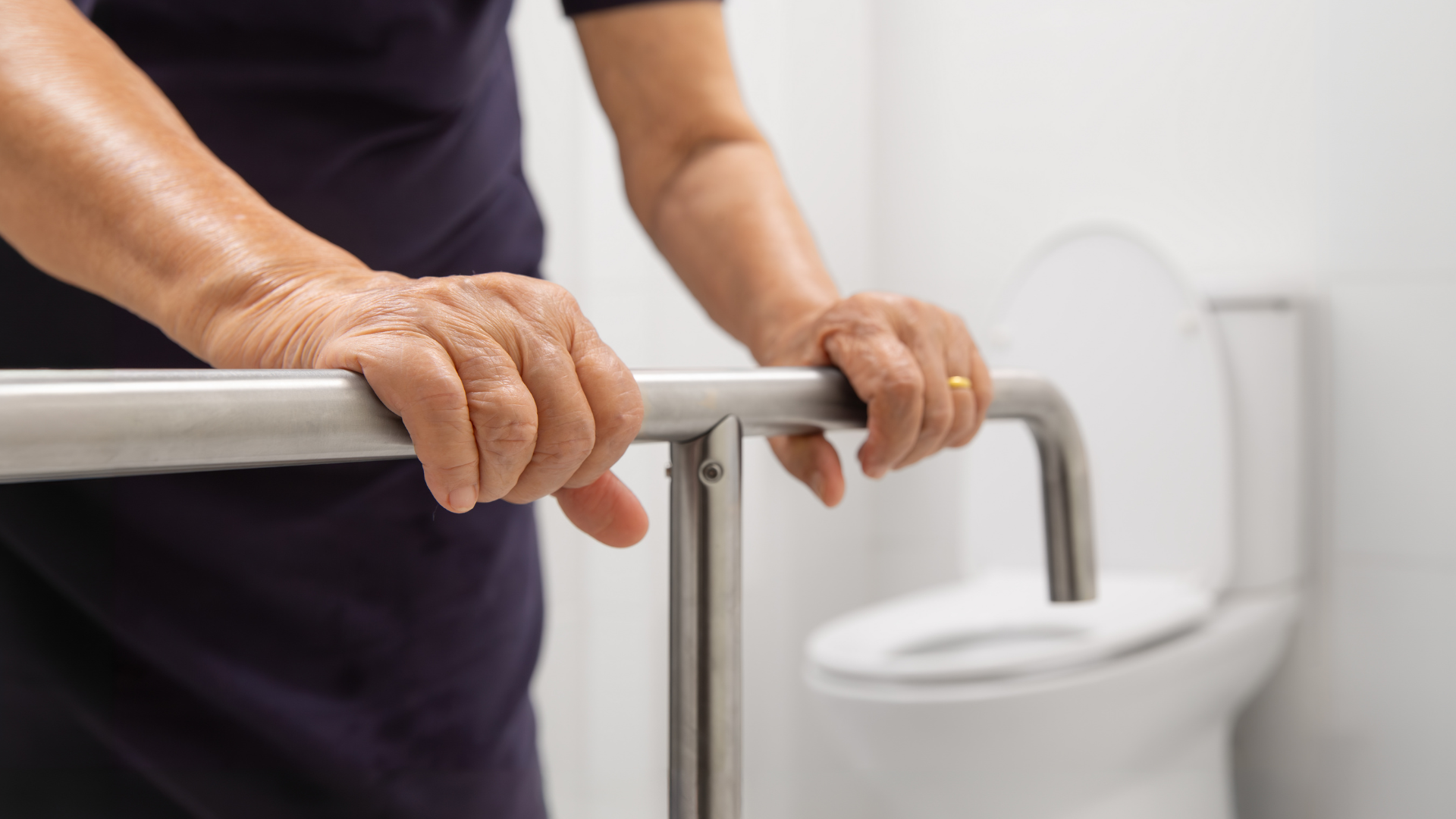
The bathroom is the most common place in the home for falls to happen, and it is often one of the easier rooms to make safer with the right equipment. Our guide on bathroom safety equipment covers grab bars, shower chairs, and raised toilet seats in more detail.
Recovery: Coming Home After Surgery or a Hospital Stay?
Watch for:
- A recent surgery, hospitalization, or new diagnosis that affects mobility or daily function
- A discharge plan that mentions equipment you have not set up yet
- Uncertainty about how to safely manage stairs, bathing, or getting in and out of bed during recovery
Recovery periods are often when equipment needs are the most urgent and the most temporary, which makes the rent versus buy decision worth understanding before you commit either way.
Joint or Post-Surgical Support: Is a Brace Part of the Picture?
Watch for:
- Favoring one leg, arm, or side of the body while walking or standing
- A provider mentioning bracing after an injury, surgery, or for ongoing joint pain
- Swelling or instability in a knee, back, shoulder, wrist, or ankle that affects daily movement
Our guide to post-surgical bracing covers what to expect before and after a procedure that involves a brace.
Diabetes Management: Are Feet Becoming a Concern?
Watch for:
- Numbness, tingling, or reduced sensation in the feet
- Slow-healing cuts, sores, or blisters on the feet
- A provider mentioning diabetic shoes or specialized footwear
Foot complications are one of the more preventable parts of diabetes management with the right footwear and daily care. Our guide on diabetic shoes and custom insoles explains who typically qualifies and what to look for.
What Should You Do If Several of These Sound Familiar?
Start with a conversation, not a purchase. A primary care provider can evaluate what is actually happening and, if equipment would help, document medical necessity for insurance purposes. This step matters because most insurance coverage, including Medicare, depends on that documentation being in place before equipment is purchased or rented.
If you are not sure which provider to start with, or the equipment need is time-sensitive, a durable medical equipment supplier can often help point you toward the right first step even before a formal diagnosis is in place.
How Ozark Medical Equipment Can Help
If you recognize a few of these signs in yourself or a family member, Ozark Medical Equipment can talk through what equipment might help and what the next steps typically look like, including working with your provider on documentation. If your needs extend beyond equipment alone, our team can also help connect you with other Ozark services that may support your care.
Call 573-686-5510 to talk with our team about what you are noticing and what options might help.
Frequently Asked Questions
Not always, but a doctor’s documentation of medical necessity is typically required for insurance to help cover the cost. If you are paying out of pocket, some equipment can be purchased without a prescription, though a conversation with a provider is still worth having for safety reasons.
That is common, and it is one of the reasons talking to a provider or an equipment supplier first is worth it. They can help narrow down what actually addresses the specific issue rather than guessing.
No. Equipment put in place before a fall or health scare is often more effective, and less disruptive, than equipment brought in afterward. Noticing early signs is exactly the right time to start the conversation.