Introduction
Waking up tired after a full night of sleep. Snoring that your partner keeps mentioning. Dozing off during the day or struggling to focus at work. These are some of the most recognized signs of sleep apnea, a condition where breathing repeatedly stops and starts during sleep.
Sleep apnea affects millions of adults, especially those over 40, and it often goes undiagnosed for years because the symptoms build so gradually. If any of this sounds familiar, we offer a free online sleep apnea assessment you can complete from home in just a couple minutes.
What Is Sleep Apnea, and Why Does It Matter?
Sleep apnea is a condition where your airway partially or fully closes during sleep, interrupting normal breathing. The most common type, obstructive sleep apnea (OSA), happens when the muscles in the back of the throat relax too much and block airflow.
Each time breathing stops, your body briefly wakes itself up to reopen the airway. You may not remember these interruptions, but they prevent you from reaching the deeper stages of sleep your body needs to recover.
Over time, untreated sleep apnea can contribute to high blood pressure and heart disease. It also affects memory and concentration during the day. Many patients don’t connect these symptoms to a sleep problem because they assume they’re sleeping “enough.”
What Are the Symptoms of Sleep Apnea?
Sleep apnea doesn’t always look the way people expect. Loud snoring is the most well-known symptom, but it’s far from the only one. Other signs to watch for include:
- Waking up with a dry mouth or sore throat
- Morning headaches that fade as the day goes on
- Feeling exhausted even after a full night of sleep
- Difficulty staying awake while driving or sitting still
- Waking up suddenly with a choking or gasping sensation
- Irritability, difficulty concentrating, or brain fog during the day
If you recognize two or more of these in yourself (or if someone you live with has noticed them), it’s worth looking into further. These symptoms tend to worsen over time when the underlying cause goes unaddressed.
How Can I Check for Sleep Apnea from Home?
You don’t need a referral or an appointment to start figuring out whether sleep apnea might be affecting you. We offer a free online sleep apnea assessment that takes just a couple minutes to complete.
The assessment asks about your sleep habits, daytime symptoms, and risk factors. Based on your responses, it helps determine whether further evaluation, such as a sleep study, would be a reasonable next step.
The assessment is not a diagnosis, but it gives you a clear starting point and helps determine whether your symptoms are worth investigating further.
What Happens After the Assessment?
If the assessment suggests you may be at risk for sleep apnea, the typical next step is a sleep study. In many cases, this can be done at home rather than in a sleep lab.
A home sleep test is a small, portable device you wear overnight in your own bed. It monitors your breathing patterns, oxygen levels, and heart rate while you sleep. The data is then reviewed by a sleep specialist who determines whether sleep apnea is present and, if so, how severe it is.
For patients in Southeast Missouri, Ozark Medical Equipment coordinates the entire process locally. From the initial assessment through testing, diagnosis, and equipment setup, you’re working with the same team throughout.
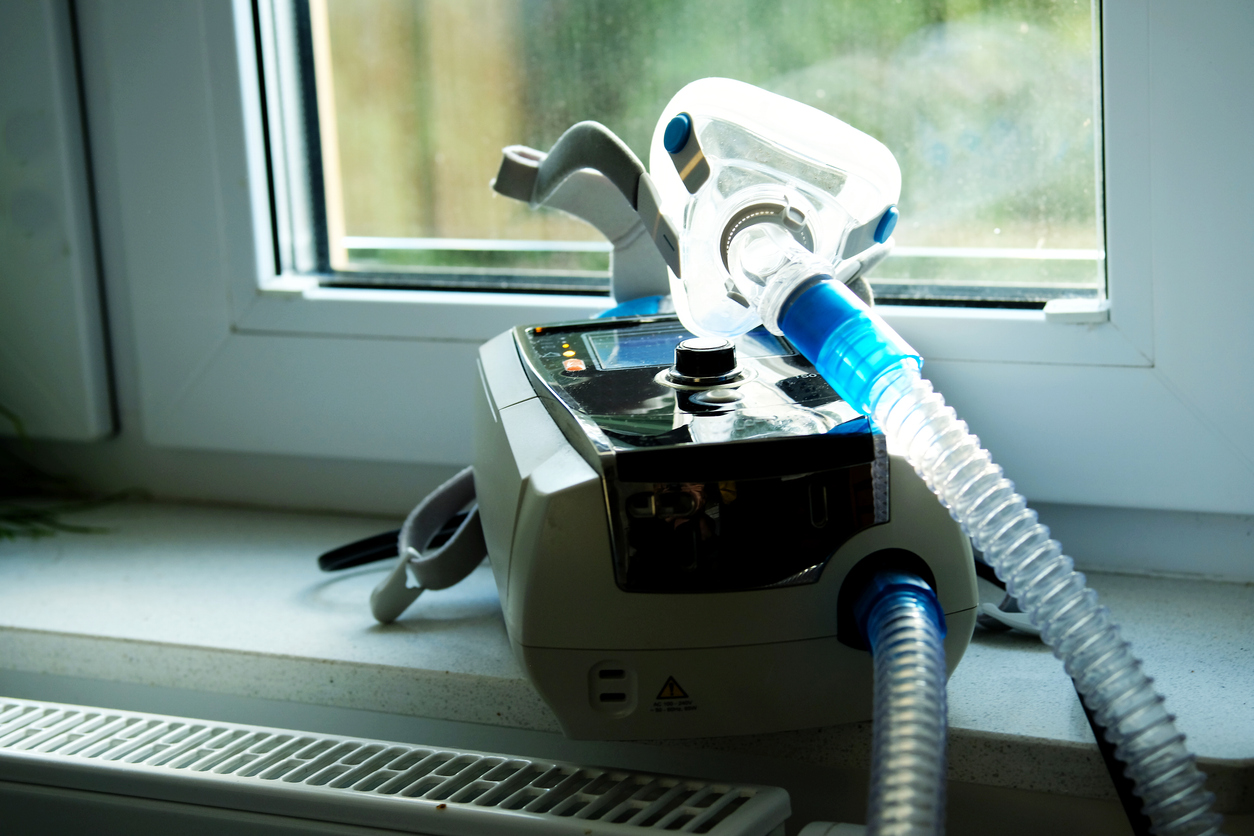
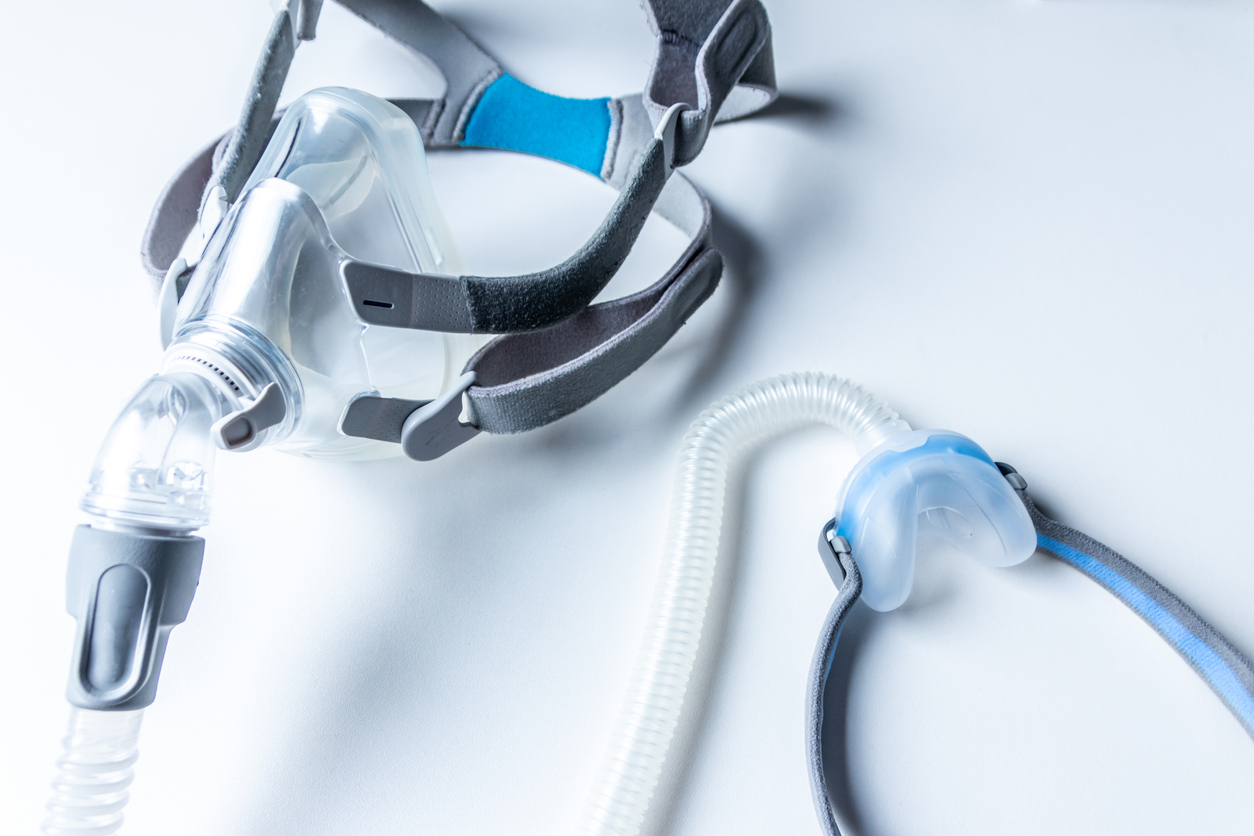
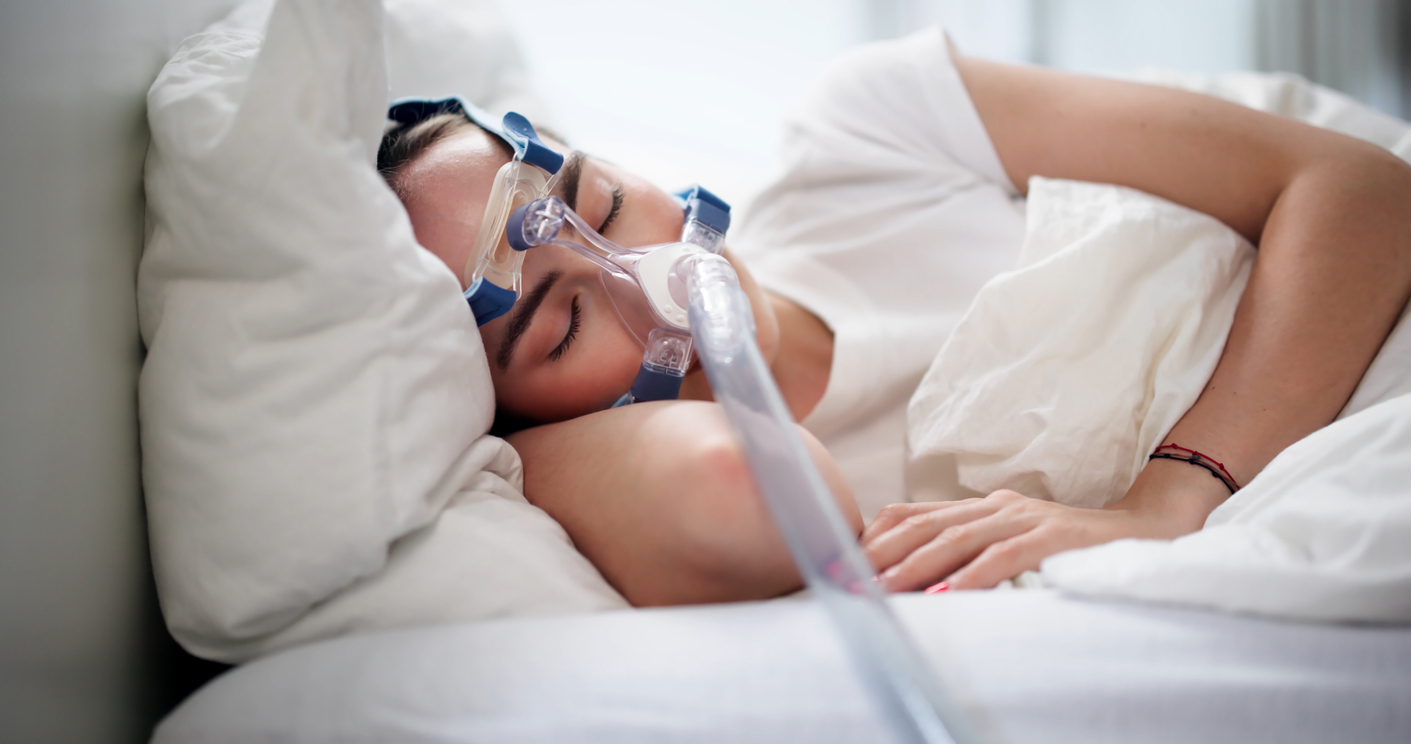
If a home test confirms sleep apnea, the most common treatment is CPAP therapy: a small machine that delivers steady air pressure through a mask while you sleep. It keeps your airway open and allows your body to get the uninterrupted rest it’s been missing.
Why Early Sleep Apnea Testing Matters
Many people put off looking into sleep apnea because the symptoms feel manageable. Tiredness starts to seem normal, and snoring fades into the background. But untreated sleep apnea compounds over time, placing increasing strain on your cardiovascular system.
Chronic fatigue also affects driving safety, work performance, and relationships. Most patients who start CPAP therapy report feeling noticeably more rested within the first week, with improvements in daytime alertness and concentration.
If you’ve been dealing with poor sleep for months or years and haven’t found a clear cause, sleep apnea is one of the most common (and most treatable) explanations.
Take the First Step from Home
If you’re in Poplar Bluff or anywhere in Southeast Missouri and you’ve been wondering whether your sleep is as restful as it should be, start with the free assessment. It takes a few minutes, costs nothing, and gives you a clear picture of where you stand.
Take the free sleep apnea assessment here.
If you’d prefer to talk with someone directly, call 573-686-5510 to reach our team at Ozark Medical Equipment in Poplar Bluff. We can answer your questions about sleep testing, CPAP therapy, and what to expect at each step of the process.
Already using CPAP or oxygen equipment? You may also find our guide on traveling with your CPAP or oxygen equipment helpful as you plan ahead.
Frequently Asked Questions
Sleep apnea has specific patterns, including repeated breathing interruptions, drops in oxygen levels, and frequent micro-awakenings throughout the night. A sleep study is the only way to confirm the diagnosis, but the free online assessment can help you determine whether testing is a good next step.
For most cases of obstructive sleep apnea, a home sleep test provides reliable results. Your provider may recommend an in-lab study if your symptoms are complex or if the home test is inconclusive.
Most insurance plans, including many Medicare plans, cover sleep studies when they are considered medically necessary. Coverage requirements vary by plan, and our team can help verify your benefits before testing begins.
CPAP is the most common and effective treatment, and most patients use it on an ongoing basis. Some patients also benefit from lifestyle changes (such as weight management or positional therapy) that can reduce severity over time. Your provider will work with you to find the approach that fits your situation.
Yes. Many of the health effects of sleep apnea, including increased blood pressure and cardiovascular strain, can develop without obvious daytime symptoms. That’s part of why screening is valuable even if your symptoms feel mild.