Introduction
Planning a trip when you rely on CPAP or supplemental oxygen means thinking through airline rules, battery requirements, and which supplies to bring. But thousands of patients in Southeast Missouri and across the country travel with medical equipment every year, and with a little preparation, you can too.
Whether you’re flying out of the region or driving to visit family, this guide covers what you need to know before you go.
Can You Fly with a CPAP Machine?
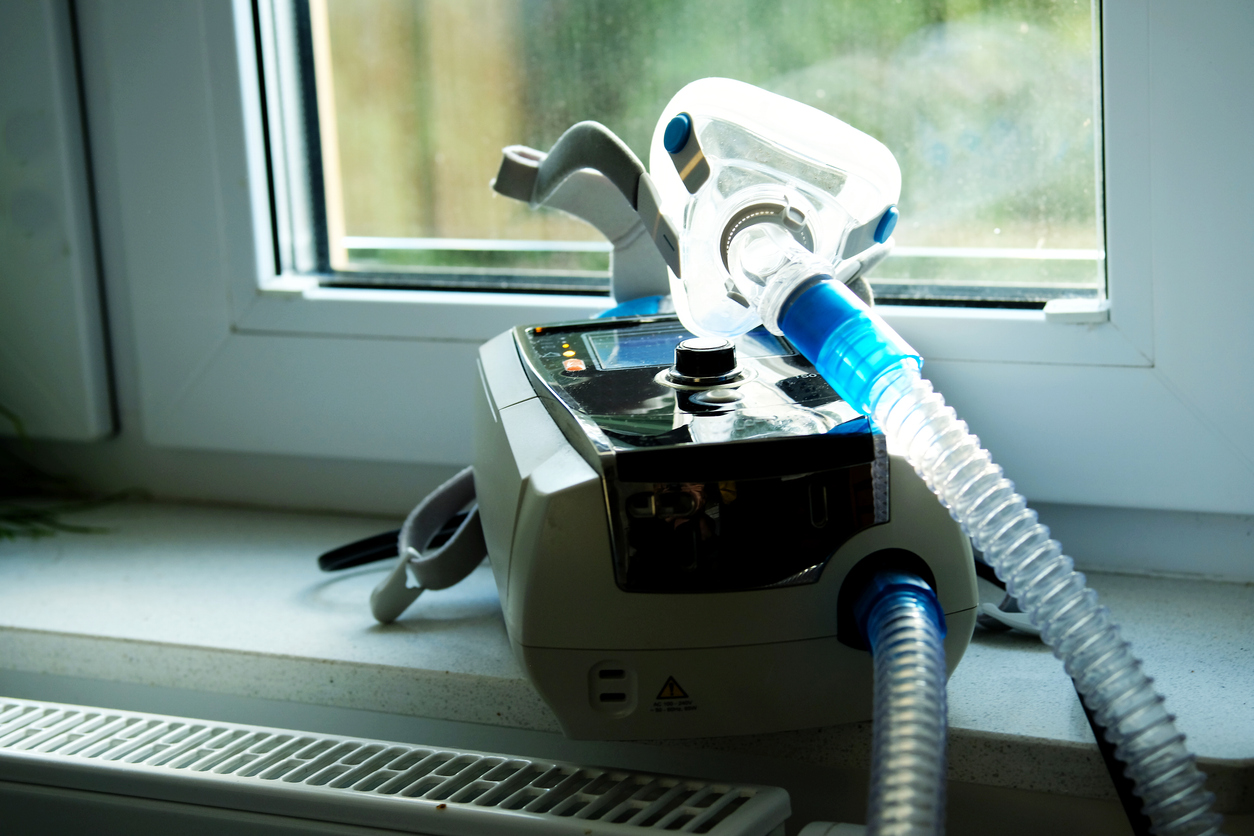
Yes. CPAP machines are allowed on all commercial flights and do not count toward your carry-on limit. The FAA and TSA both classify CPAP devices as medical equipment, which means they get their own exemption at the security checkpoint.
When going through security, you’ll need to remove the CPAP from its bag so it can be screened separately, similar to a laptop. Some patients prefer to keep a copy of their prescription or a letter from their provider in the bag, though it’s not always required.
A few things to keep in mind when flying:
- Always carry your CPAP in your carry-on luggage, not in a checked bag
- Use a protective travel case or padded bag to prevent damage
- Bring your power cord and consider a battery backup in case of layovers or delays
If you use a humidifier with your CPAP, empty the water chamber before packing. You can refill it with distilled water once you arrive.
What About Flying with Portable Oxygen?
Portable oxygen concentrators (POCs) are permitted on commercial flights, but the rules are more specific than for CPAP devices. The FAA requires that your POC be FAA-approved, and most major airlines maintain a list of accepted models on their websites.
Before booking your flight, contact the airline directly. Most carriers require advance notice (typically 48 hours or more) and may ask for a medical certificate or a letter from your physician confirming that you need supplemental oxygen during the flight.
You’ll also want to plan for battery life. Airlines generally require enough battery power to last 150% of the total flight time, including connections and potential delays. For a four-hour trip, that means packing at least six hours of battery capacity.
If you’re considering a portable concentrator for travel and aren’t sure which models are FAA-approved, our team at Ozark Medical Equipment can walk you through the options that fit both your therapy needs and your travel plans.
What Should I Know About Driving with Respiratory Equipment?
Road trips tend to be simpler than air travel when it comes to medical equipment, but there are still a few things worth planning ahead for.
If you use a CPAP, bring a DC power adapter (also called a cigarette lighter adapter) so you can use the device during long drives or overnight stops. Not all CPAP models include one, so check with your equipment provider before you leave.
For oxygen users, make sure your concentrator is fully charged and that you have access to a power source at your destination. If you rely on oxygen tanks rather than a concentrator, coordinate refills at your destination in advance. Running low during a trip is stressful and avoidable with a quick phone call ahead of time.
Keep your equipment in the passenger cabin of the car rather than the trunk, especially in extreme temperatures. Heat and cold can affect battery performance and the integrity of tubing and masks.
What Should I Pack for CPAP or Oxygen Travel?
The supplies you use at home are the same ones you’ll need on the road. Forgetting something small, like a filter or a replacement cushion, can disrupt your therapy for the entire trip.
Before you leave, pack these items separately from your main luggage so they’re easy to access:
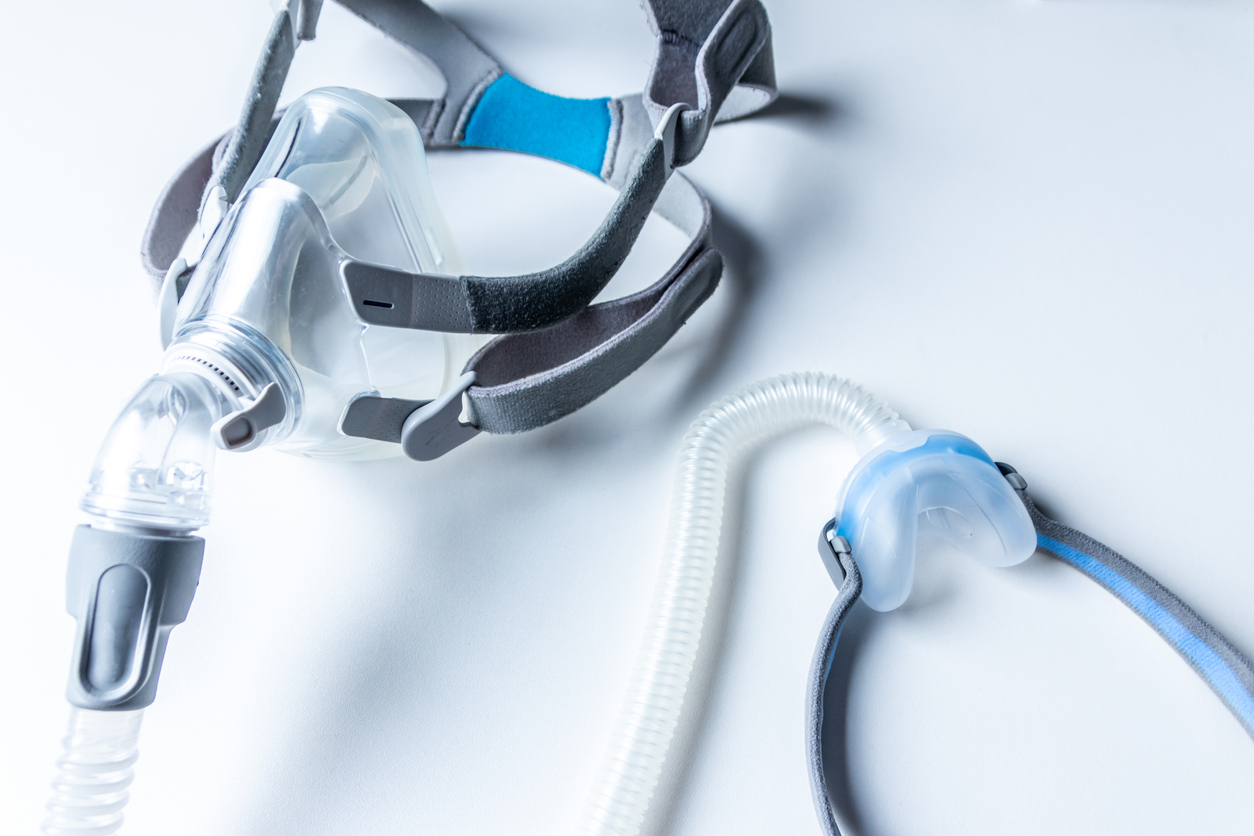
- Extra mask cushions or nasal pillows
- Replacement filters
- A backup power cord or battery pack
- Distilled water for your humidifier (or plan to buy some at your destination)
- A copy of your prescription or equipment documentation
- A zip-lock bag for storing the mask and tubing during travel days
If any of your supplies are due for replacement before your trip, it’s worth reordering early so you’re traveling with fresh equipment. Our team at Ozark Medical Equipment in Poplar Bluff can check your replacement eligibility and insurance coverage before you go.
How Do I Stay on Track with Therapy While Traveling?
The biggest risk of traveling with a CPAP is skipping therapy altogether because the setup feels inconvenient in a hotel room or a relative’s guest bedroom.
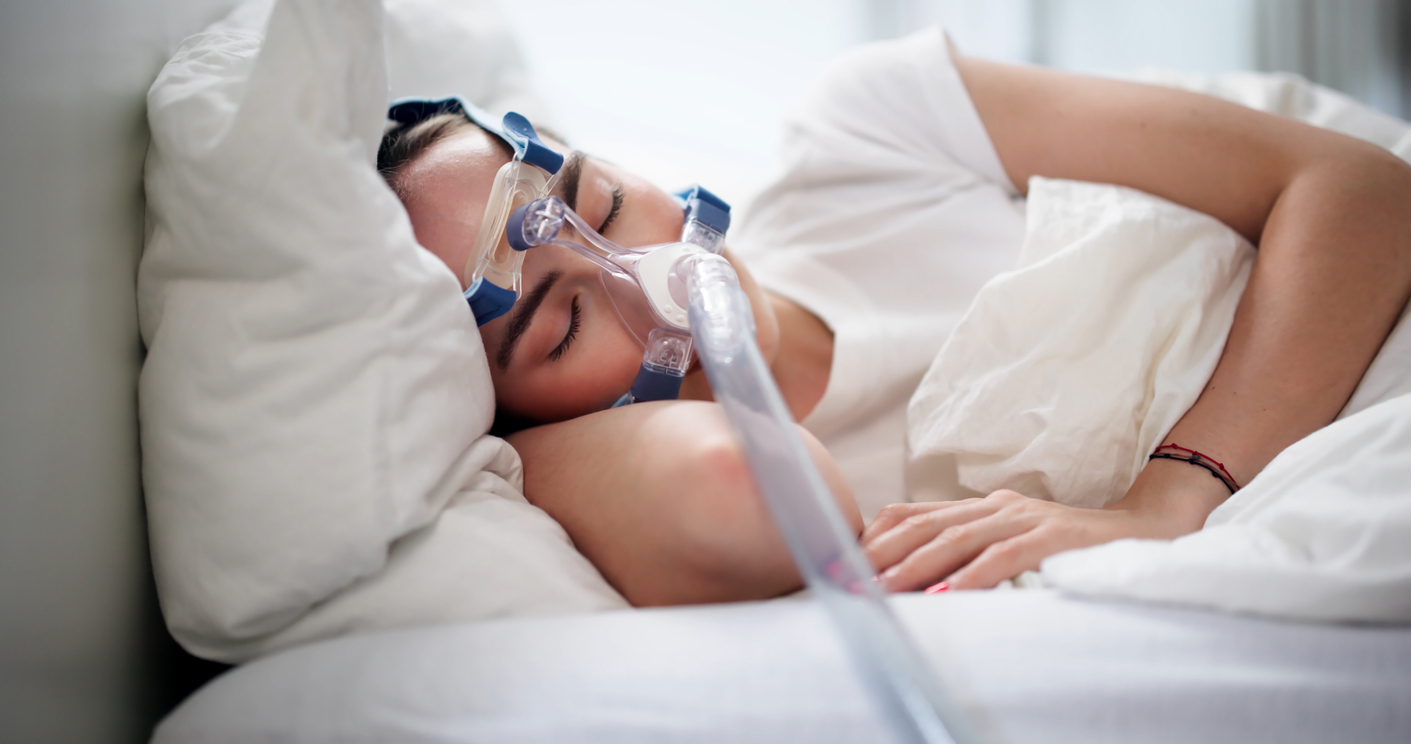
Even a few nights without CPAP can affect how you feel during the day. If you use your device consistently at home, aim to use it consistently while traveling too. Setting up your CPAP at your destination before you need it (rather than at midnight when you’re exhausted) makes it easier to stick with the routine.
For oxygen users, keep your portable concentrator charged and accessible throughout the day, especially if your travel schedule is more active than your typical routine at home. Changes in altitude can also affect how your body responds to supplemental oxygen, so talk with your provider before traveling to higher elevations.
Where to Ger Help Before You Travel
If you have questions about traveling with your CPAP or oxygen equipment, you don’t have to figure it out alone. Whether you need a travel-ready battery, replacement supplies before a trip, or just want to confirm your equipment meets airline requirements, our team is here to help.
Call 573-686-5510 to connect with one of our experts before your next trip. We’ll make sure your equipment and supplies are ready to go.
Frequently Asked Questions
It’s not always required by the airline, but carrying a copy of your prescription or a letter from your provider is a good precaution. It can speed things up at security and resolve any questions at the gate.
Under the Air Carrier Access Act, airlines operating aircraft with 19 or more seats are required to allow the use of FAA-approved CPAP machines on board. The main variable is power: some aircraft have in-seat outlets, while others do not. If your flight doesn’t offer in-seat power, you’ll need a battery that can run your CPAP for the duration of the flight. Check with your airline ahead of time to confirm power availability.
Coverage for travel accessories varies by plan. Some policies cover backup batteries as part of your CPAP supply benefit, while others do not. Our team can verify your coverage before you purchase.
Compressed or liquid oxygen tanks are not allowed on commercial flights. However, FAA-approved portable oxygen concentrators are permitted. If you currently use tanks, talk with your provider about whether a portable concentrator is an option for travel.
If you use tanks rather than a concentrator, contact a local medical equipment provider at your destination before you travel. Planning refills in advance ensures you won’t run into gaps in your oxygen supply while away from home.